
Leak Repair
Commercial Roof Leak Response: 5 Steps to Take
When water enters a commercial building, a qualified roofing professional must identify the source and complete the necessary roof leak repair. However, facility managers and employees play an important role in the response.
Taking the right steps when a leak is first discovered can reduce safety risks, protect equipment and inventory, provide valuable information to the roofing team, and help resolve the issue more efficiently.
Every facility should have a commercial roof leak response plan that employees can follow when they notice dripping water, ceiling stains, wet flooring, or other signs of water intrusion.
Commercial Roof Leak Response: 5 Steps to Take
1. Mark and Document the Affected Area
Use tape or another visible marker to identify the exact location where water was first observed inside the building. If possible, take photos or videos while the leak is active.
The location of the interior water does not always identify the source of the roof leak. Water can travel along insulation, structural components, pipes, and other materials before entering the occupied space. Still, marking and documenting the affected area gives the roofing team an important starting point.
This is especially helpful in large facilities and multi-location portfolios. The employee who first notices the leak may not be present when the repair crew arrives, and the manager on duty may only know the general area where the water appeared. Clear documentation helps prevent delays and supports a more efficient inspection.
2. Secure the Area
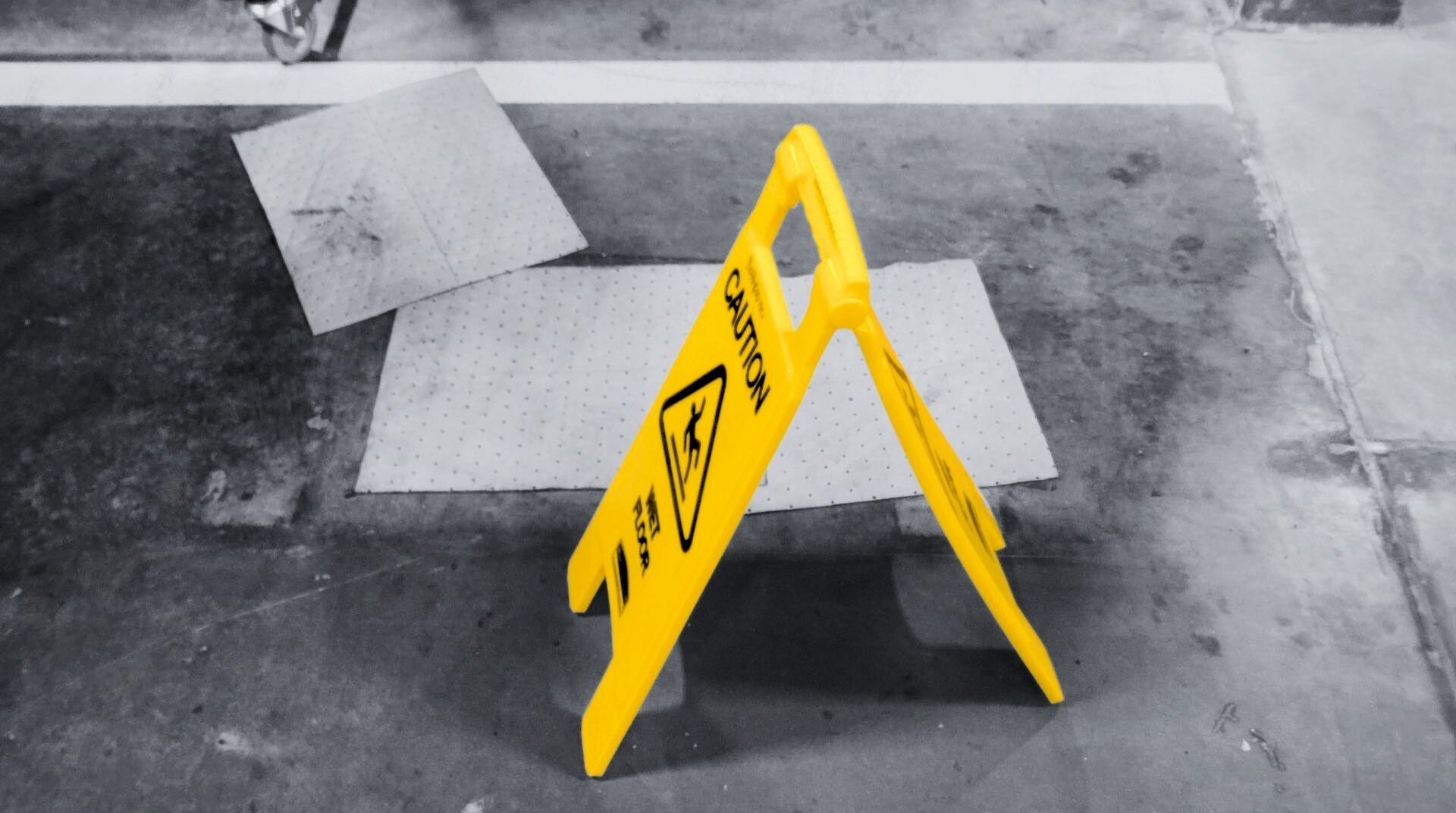
Water on the floor can create a serious slip-and-fall hazard. Place wet-floor signs around the affected area and use cones, caution tape, rope, or another physical barrier when necessary.
If water is near electrical equipment, outlets, lighting, or exposed wiring, keep employees and visitors away from the area and contact the appropriate qualified personnel immediately.
Employees should never climb onto the roof or attempt temporary repairs unless they are properly trained and authorized.
3. Protect Equipment and Building Contents
Move furniture, inventory, electronics, machinery, and other sensitive materials away from the affected area.
If an item cannot be moved safely, protect it with plastic sheeting or a waterproof tarp. Buckets or other containers can be placed beneath active drips when it is safe to do so, but they should be monitored regularly to prevent overflowing.
Make sure containers, coverings, and barriers do not create additional hazards or interfere with building operations.
4. Report the Commercial Roof Leak
Once the immediate area is secure, report the leak to the person responsible for managing the facility’s roof. The facility manager, property manager, or designated roofing contact should then notify the company’s roofing service provider.
Provide as much information as possible, including:
- The facility name and address
- The exact location of the interior water
- When the leak was first noticed
- Whether the leak is still active
- When it last rained
- Photos or videos of the affected area
- Any recent rooftop work or equipment installation
- Available roof warranty information
Whenever possible, arrange for a knowledgeable facility representative to be present when the roofing team arrives. This person should be able to identify the affected interior area and provide access to the roof, ceiling, mechanical rooms, or other spaces that may need to be inspected.
For companies managing multiple locations, using a centralized roof management program can simplify the reporting process, coordinate service across the portfolio, and maintain consistent repair documentation.
5. Review the Repair Documentation and Follow Up
After the roof leak repair is completed, request a detailed service report for your facility records. The report should include:
- The suspected or confirmed source of the leak
- Photographs of the affected roof area
- A description of the work performed
- Photographs of the completed repair
- Recommendations for additional maintenance or monitoring
- Confirmation that the work was reviewed with the facility representative
Continue monitoring the area during future rainfall. If water reappears, report it promptly and reference the original service request and repair documentation.
Prepare Your Facilities Before the Next Roof Leak
A commercial roof leak response should involve more than placing a bucket under a drip. A clear process helps protect employees, reduce damage, improve communication, and give the roofing team the information needed to address the issue efficiently.
Share this checklist with employees, include it in your facility procedures, and establish a clear process for reporting roof leaks across every location in your portfolio.
MainSource Roof Management provides a single point of contact for coordinating commercial roof leak repairs, maintenance, inspections, and long-term roof planning across multi-location portfolios. Contact MainSource to learn how a proactive roof management program can support your facilities.